x
A
G
I
N
C
O
Bespoke Solutions Tailored to Your Business. Free Consultant
684 West College St. Sun City, USA


Markhoor: Ancient Herbal Remedy for Modern Health
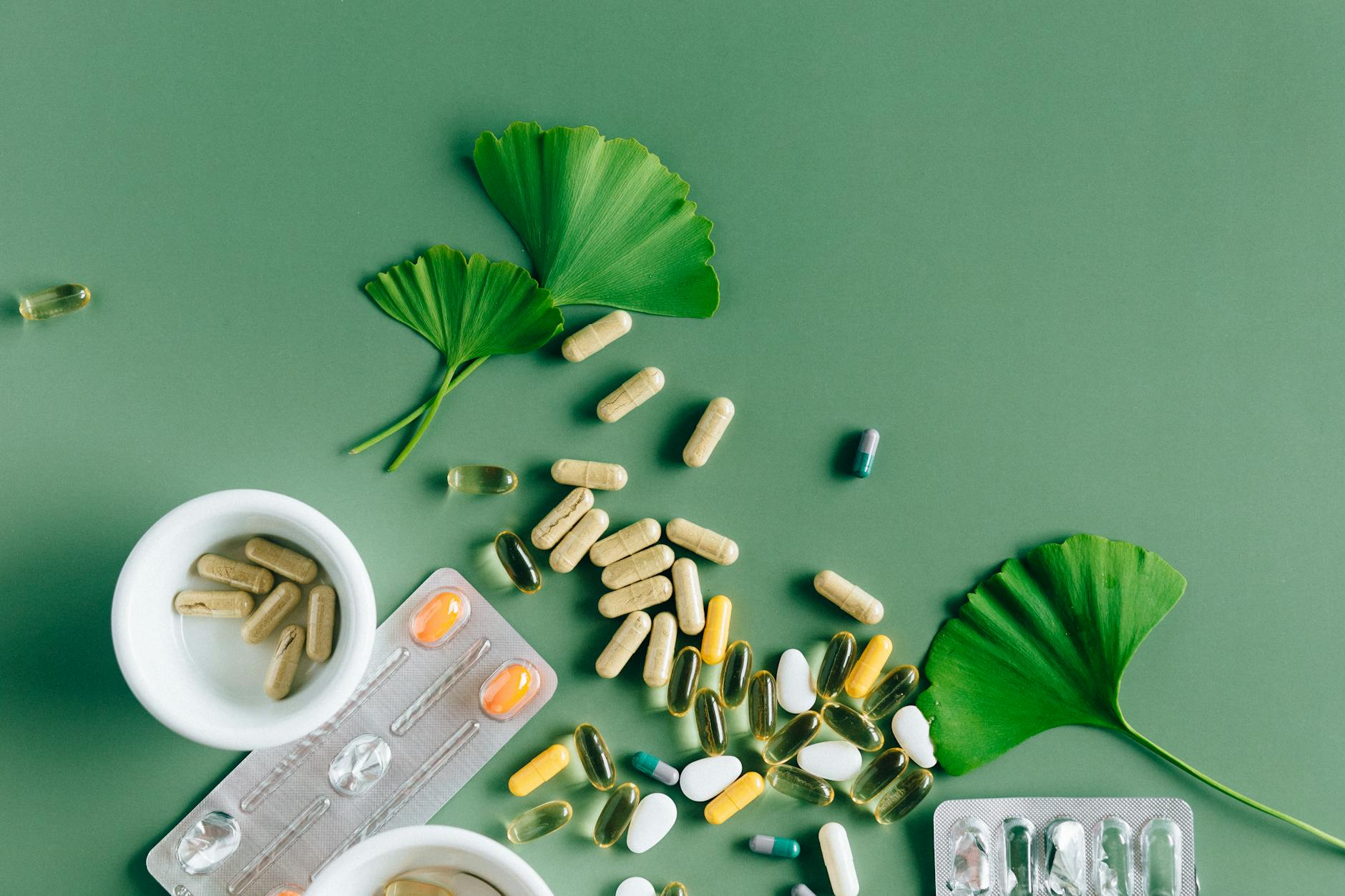
Markhoor: Ancient Herbal Remedy for Modern Health
What Is Markhoor?
Markhoor has been revered for centuries as a powerful herbal remedy in traditional medicine. Derived from specific plant species that grow in arid regions, it is prized for its restorative properties and natural efficacy. Although little known in mainstream health circles, recent studies suggest that markhoor may play a vital role in modern wellness.
Historical Roots
Historical texts from the Middle East and South Asia mention markhoor in the context of curative baths, tinctures, and dietary supplements. It was traditionally used to enhance vitality, improve digestion, and alleviate pain. The resilience of this herb, thriving in harsh climates, contributed to its reputation as a “survival plant.”
Modern Applications
Today’s health practitioners are revisiting markhoor for its antioxidant, anti-inflammatory, and immunomodulatory effects. Its active compounds—flavonoids, saponins, and alkaloids—are being studied for their potential to fight chronic conditions such as arthritis, hypertension, and metabolic syndrome.
How to Use Markhoor Safely
When integrating any herbal remedy into your routine, it’s essential to understand proper dosage, preparation, and safety guidelines.
Preparation Methods
- Infusion (Teas): Steep dried markhoor leaves in hot water for 10–15 minutes. Strain and consume 1–2 cups daily.
- Oil Extraction: Infuse crushed leaves in a carrier oil (olive or sesame) for a month, then strain. Apply the oil topically for joint aches.
- Capsules: Commercially available standardized extracts provide consistent dosing.
Dosage Recommendations
The most common dosage ranges from 500 mg to 1 g of dried herb powder per day. Beginners should start at the lower end and gradually increase, monitoring for any adverse reactions. Pregnant or nursing women, and people on medication, should consult a healthcare professional before use.
Benefits and Scientific Insights
Emerging research supports many of the historical claims surrounding markhoor. Below is a concise overview of the most compelling benefits.
Physical Health
- Anti‑inflammatory action that may help reduce chronic pain.
- Blood‑pressure modulation, especially when combined with lifestyle changes.
- Antioxidant activity that supports cellular repair.
Mental Well‑being
- Potential mood‑stabilizing effects due to its interaction with serotonin pathways.
- Improved cognitive function reported in preliminary studies of elderly users.
Potential Risks and Side Effects
Despite its many benefits, markhoor is not devoid of risk. Understanding contraindications helps maximize safety.
When to Avoid It
- People with kidney or liver disease should proceed with caution.
- Those taking anticoagulants should avoid using markhoor without medical advice.
- Children under 12 are not recommended to consume this herb.
Where to Find Markhoor Today
While markhoor is still best sourced from reputable herbal suppliers, several online platforms now offer high‑quality, certified extracts. Look for products that provide a Certificate of Analysis to confirm potency and purity.
For a deeper dive into markhoor’s modern applications, Markhoor: Ancient Herbal Remedy for Modern Health shares the latest research findings and user experiences.
Want to learn more about how this herbal wonder can fit into your wellness routine? Explore additional resources on Our Blog. If you have questions or would like personalized guidance, feel free to contact us.

Leave A Comment